EMBEDDED SOFTWARE AND HARDWARE
Embedded software development involves creating software tailored to operate on embedded systems—specialized computer systems designed for specific functions within a larger device or system. Similarly, embedded hardware development focuses on designing, prototyping, and producing dedicated electronic systems engineered to perform specific tasks or functions within a larger electronic device or framework.
MOTOR CONTROL
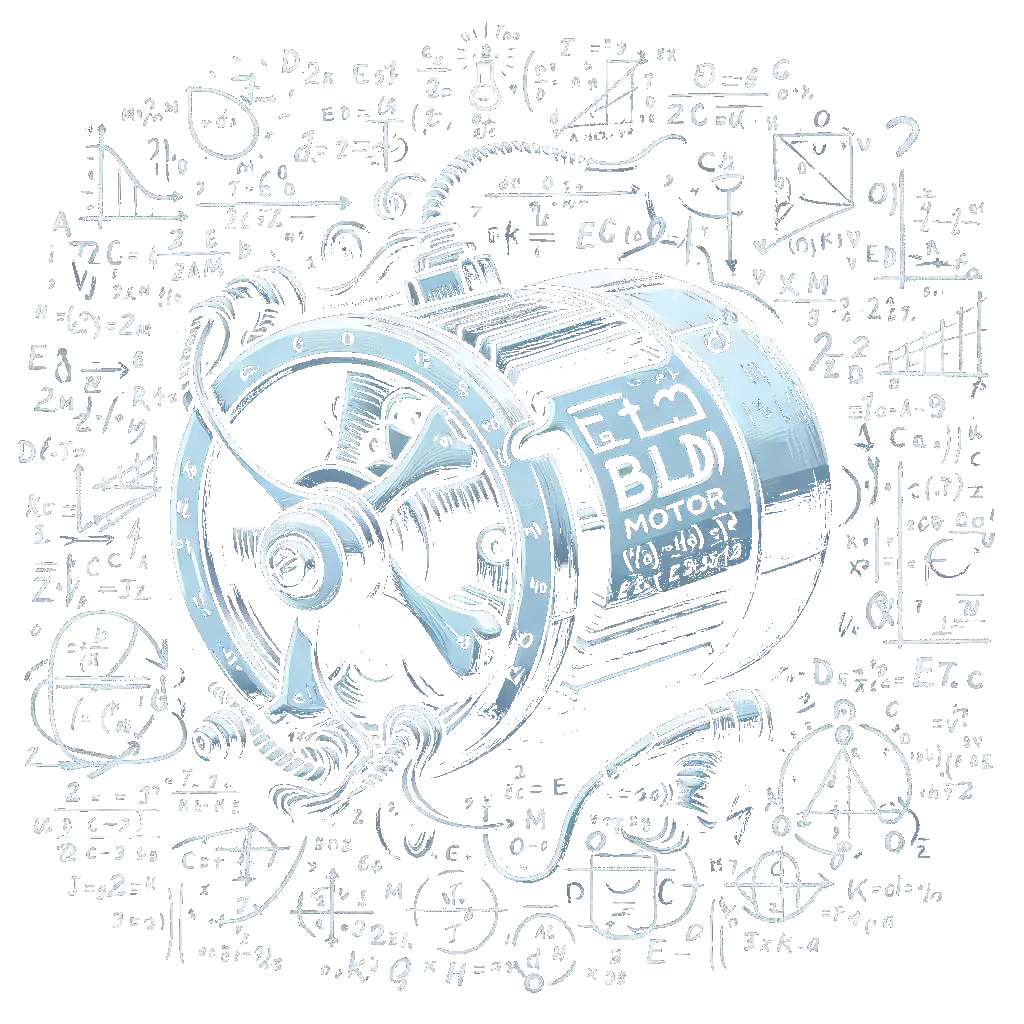
Motor control is the process of managing and regulating the performance of motors to achieve desired speed, torque, and efficiency. It involves implementing precise control strategies tailored to specific applications, ensuring smooth operation, reliability, and optimal energy usage across industries like robotics, automotive, and aerospace.
RTOS
Real-Time Operating Systems (RTOS) are specialized software platforms designed to manage hardware resources and run tasks with precise timing and predictability. They ensure deterministic execution of processes, making them essential for time-critical applications. RTOS is widely used in industries such as automotive, aerospace, and robotics, where reliability, efficiency, and real-time performance are paramount.
BATTERY MANAGEMENT SYSTEM
A Battery Management System (BMS) is essential for managing and protecting the performance of batteries in Electric Vehicles (EVs), especially with chemistries like LiPo (Lithium Polymer) and LiFePO4 (Lithium Iron Phosphate). The BMS monitors key parameters such as voltage, current, temperature, and state of charge (SOC) to ensure the battery operates within safe limits. It balances individual cells to prevent overcharging or deep discharge and manages thermal conditions to avoid overheating. With its critical role in safety and efficiency, the BMS maximizes battery lifespan, optimizes energy use, and ensures the reliability of EV systems.
WIRELESS AND IOT
Wireless technology and the Internet of Things (IoT) are transforming industries by enabling seamless communication between devices and systems without the need for physical connections. Wireless technology allows devices to exchange data over radio frequencies, making it a fundamental component of modern communication networks. IoT, built on wireless communication, connects everyday objects like sensors, wearables, and appliances to the internet, enabling real-time data exchange and automation. This combination of wireless and IoT technologies is revolutionizing sectors like smart homes, healthcare, agriculture, and manufacturing by enabling remote monitoring, control, and decision-making, enhancing efficiency and convenience.